
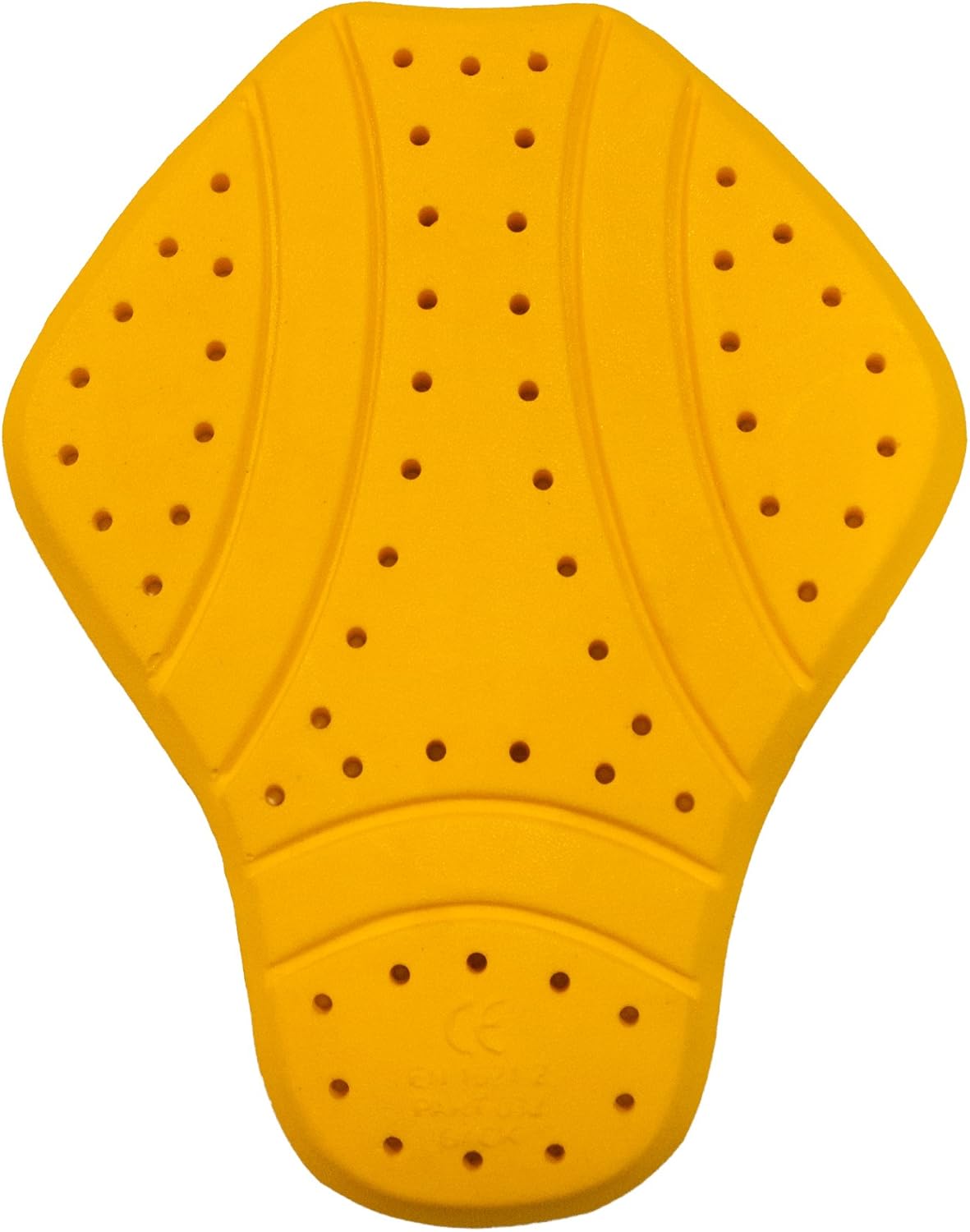
A photograph shocking a greencolored back protector that complies with the EN 162122012

CE EN 1621-1:2012 limb protection and CE EN 1621-2:2014 back and chest protection are the marks to look out for. AA - best for touring and long-distance riding. This still requires CE EN 1621-1:2012 Level 1 impact protection at the shoulders, elbows, hips and knees. Back and chest protectors are optional but worth the investment.
ROLEFF RACEWEAR Nach EN 162122014 Level 2 zertifizierter Rückenprotektor RO PP 14, Gelb, Größe
If it is the one you have, then it is level 1, not level 2, based on the website. "Composite protectors certified to EN 1621.1" . It's a good looking jacket though :). (EN 1621-1 & EN 1621-2) were implemented in 2012 and 2014 for limb and back protectors respectively. The conclusion in the excerpt also states 'Motorcycle protective clothing.
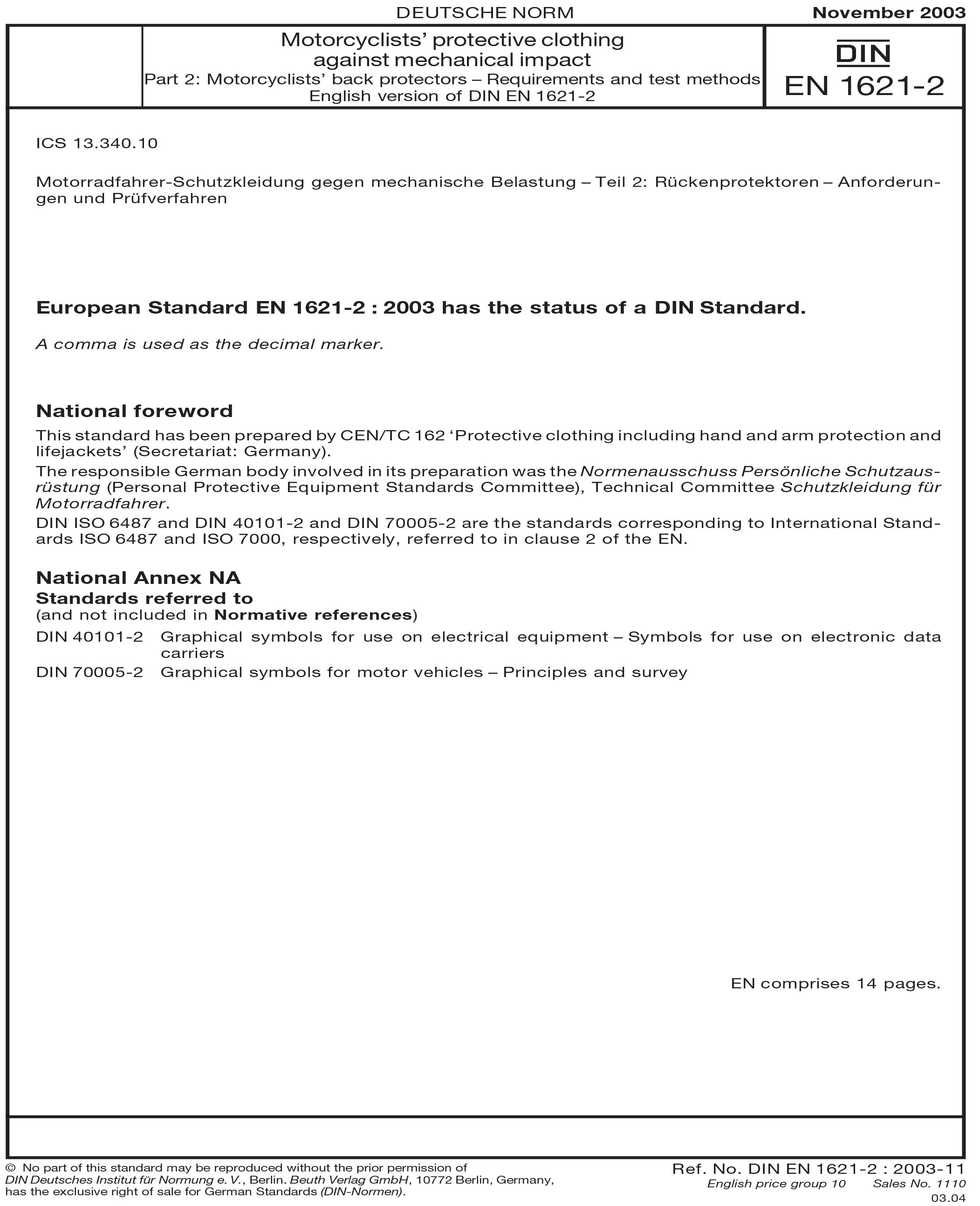
DIN EN 162122003 Motorcyclists' protective clothing against mechanical impact Part 2
EN 1621-1: 2012 Motorcyclists' limb joint impact protectors. The EN 1621-1 test is used to assess the protective qualities of armour worn on the limb joints while riding a motorcycle. Two performance levels are specified for motorcyclists' limb protectors - level 1 and level 2. The lower the force that a protector transmits, the more.
Protections dorsales, atténuation des chocs (EN 16212)
.jpg)
Level 1 vs Level 2 armor, which one is better?. First of all, the numbers following EN are an indication of what the protection is rated for. In this example, 1621 indicates that the armor is rated for motorcycle use. Next up, -2 is going to tell us the area of protection. A -1 code indicates that the armor can be used pretty much anywhere.
Tier 1 Support
Level 2: residual force below 20 kN. EN 1621-2:2014 (back protectors): Level 1: residual force below 18 kN. Level 2: residual force below 9 kN. *please note, tailbone and thigh armor cannot be Certified level 1 or 2 however, they are made of the same materials that our Level 2 proctors are made of. They are slightly thinner for added comfort.
EN 162122014 Motorcyclists' protective clothing against mechanical impact Part 2

Understanding CE Level 1, CE Level 2, and EN 1621. Motorcycle body armor is designed to reduce impact forces by distributing them across the armor. Same ideas as a nail bed: lay on a single nail and you're drawing blood immediately. Lay on a thousand nails and you're fine, since your weight is distributed across all the nails.
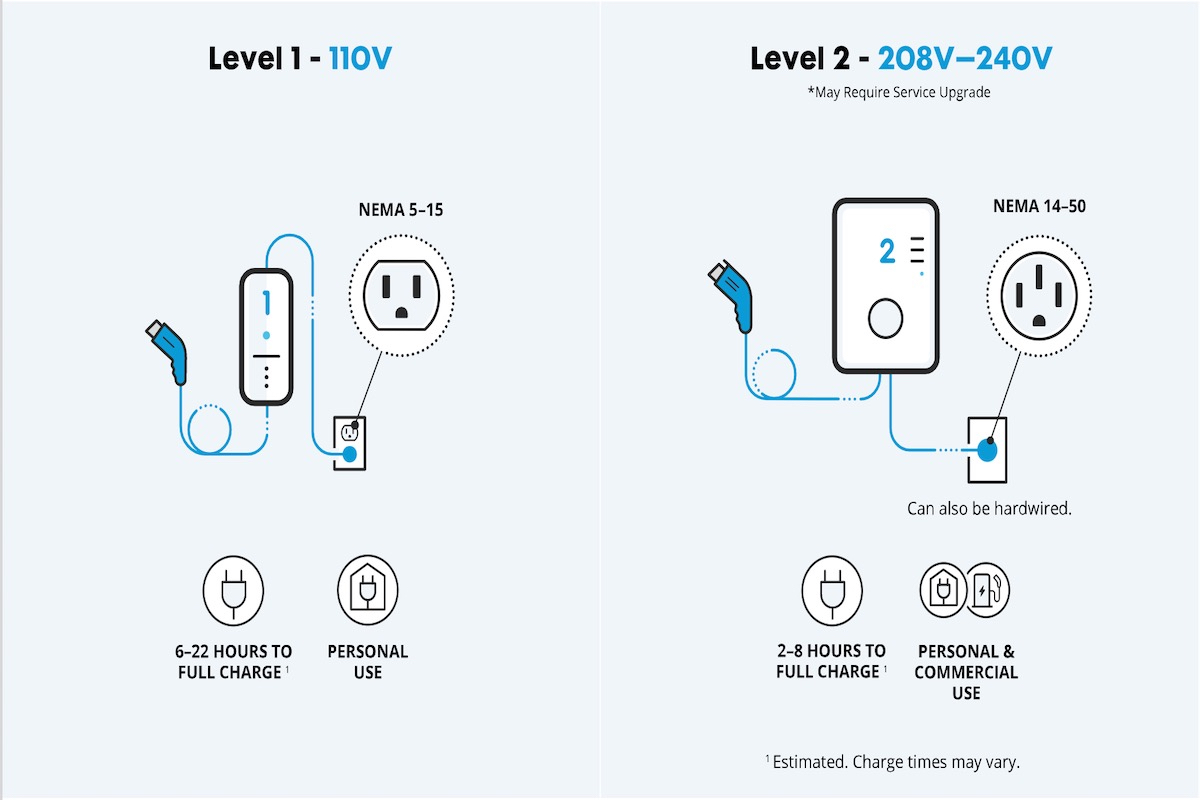
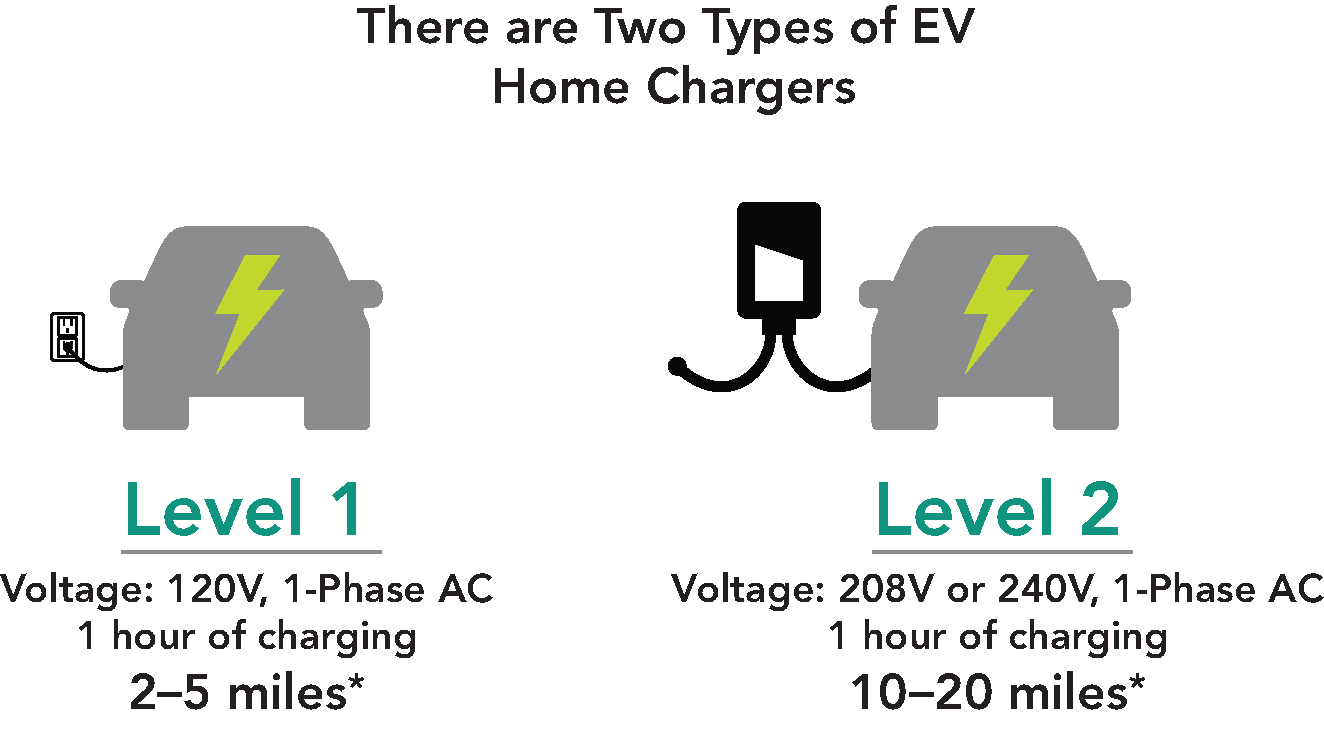
EV Charger Options Level 1 vs. Level 2 EV Charger
Meanwhile, EN:1621-2:2014 covers back protectors, and EN:1621-3:2018 applies to chest protectors.. Protection levels on all armor will be listed as being either Level 1 or Level 2. Level 2 is.
BS EN 162122014 Motorcyclists' protective clothing against mechanical impact Motorcyclists
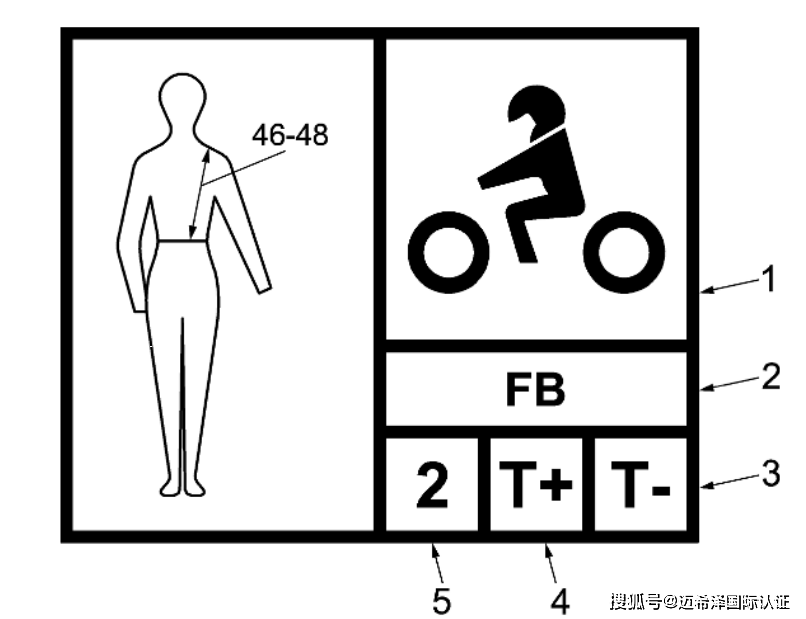
Performance level (1 or 2) As a reminder, an EN 1621-1 certified hull transmits less than 24 kN at level 1 and less than 12 kN at level 2. With regard to extreme temperature tests, an empty box indicates that the protection has not validated the optional test but remains certified. To be clear, the different types of protection are indicated by.
摩托车防护设备CE认证标准EN 162122014_测试
The armour fitted to jackets and trousers is also rated against EN Standards; EN 1621-1:2012 is for shoulder, elbow, hip and knee armour and EN 1621-2:2014 is for back protectors. There are only.
Trauma surgeon consultant Evaluation of a protocol for management of intermediatelevel

That standard rating is based on that energy being less than 18 kN (EN-1621-2 Level 1) or less than 9 kN (EN-1621-2 Level 2). EN1621-1 Protectors for Limb Joints (Elbow, Knee, Shoulder, Hip) There are three European standards covering "motorcyclists' protective clothing against mechanical impact": EN1621-1, EN1621-2 and EN1621-3. EN1621-1.
Type 1 And Type 2 Ev Charger Type 2 Ev Plug 16a Three Phase Car Side Mennekes Iec 62196 2 European
Exceeding CE EN 1621-3:2018 Level 2 protection, this is the ultimate motorcycle armor for your chest. D3O® Viper Pro Back protector. Flexible and full coverage, the Viper Pro back protector from D3O is CE certified to EN 1621-2:2014, Level 2, making it suitable for use in track racing. Available in 5 different sizes and with Airflow technology.
Armor Discussing the Differences TouratechUSA

These are both level 2, but seem to be mostly catered to track use, and very expensive.. European Standard EN 1621-2:2003[2] defines two levels of performance for CE approved back protectors. The test apparatus and procedure is similar to that of EN 1621-1:1997,[1] but with a different impactor and anvil configuration..
DORSALE BLH CE EN 162122014 NIVEAU 2 CAP ACCES DARDILLY

For example, the joint protectors we sell on our website are certified EN 1621-1:2012 by SAS-TEC (the German manufacturer), meaning they are motorcyclists' protective clothing against mechanical impact. But more important is the performance level, 1 or 2. Level 2 can absorb double the impact that level 1 does, so it's always ideal.
Level 1 vs. Level 2 EV Chargers Understanding the Differences
EN1621-2 assesses armor designed to protect the back/spine. It is a more stringent standard allowing no more than 18 kN of force to be transmitted to attain Level 1 protection (EN-1621-2 CE Level 1). Armor that allows less than 9 kN of force to be transmitted can attain a Level 2 protection (EN-1621-2 CE Level 2).
UNE EN 162122014 Motorcyclists' protective clothing against mechanical impact Part 2
To achieve the higher Level 2, it must transmit an average of less than 9kN, and no single strike can be above 12kN. Chest protection (EN 1621-3:2018) There are two tests for chest protectors - the impact attenuation test is mandatory for all and a separate force distribution test is required for protectors aiming for a higher Level 2 pass.
EVOC Protektorenweste, Entnehmbarer Liteshield Plus Backprotector (EN 16212, Level online

The EN 1621-1 CE standard classifies this item as " limb armor." Back Armor: It fully or partially shields the back. The EN 1621-2 CE standard was used to certify this product. Elbow Armor: This armor ensures that elbows and forearms are well-protected. The EN 1621-1 CE standard classifies this item as "limb armor."